Every little thing You Need to Know Concerning Car Window Tinting for Your Automobile
Car window tinting is a practical enhancement for many automobile owners. It provides benefits such as boosted convenience and energy efficiency. Various tint films deal with different demands and choices. Comprehending lawful laws and selecting the right tint portion is essential. The setup process and correct upkeep likewise play considerable duties in ensuring the longevity of the tint. What various other elements should one take into consideration prior to choosing on home window tinting?
Advantages of Vehicle Window Tinting
Although some car owners may neglect it, automobile home window tinting offers many benefits that boost both the driving experience and the automobile's long life. One of the primary advantages is the decrease of warm buildup inside the lorry, permitting a much more comfy trip, specifically throughout warm weather. This can cause reduced dependence on air conditioning, boosting gas efficiency.Additionally, window tinting supplies defense versus unsafe UV rays, which can create skin damage and discolor indoor materials in time. By obstructing these rays, the tint aids preserve the lorry's inside and maintain its resale value.Moreover, colored windows can enhance privacy and safety and security, as they make it harder for outsiders to see inside the automobile. This added layer of security can hinder prospective theft. Generally, car window tinting works as a useful financial investment that adds to both comfort and the vehicle's general health.
Kinds of Window Color Films
When thinking about car home window tinting, vehicle proprietors encounter a range of home window tint films, each developed to satisfy specific needs and choices. The initial category is dyed home window movie, which gives a basic degree of privacy and UV defense while being cost-efficient. Next, metalized films integrate tiny metal bits, mirroring warm and boosting durability, although they may hinder electronic signals.Ceramic films are another choice, recognized for their premium warm rejection and clarity, supplying high efficiency without signal disturbance. Hybrid movies integrate qualities of colored and metalized films, striking an equilibrium in between expense and performance. Each sort of window tint film presents distinct advantages, permitting car owners to select based on their particular demands, such as heat appearance, spending plan, and control considerations. Comprehending these alternatives is crucial for making a notified choice relating to auto home window tinting.
Recognizing Lawful Laws
When considering vehicle window tinting, it is essential to comprehend the lawful regulations that govern tint darkness restrictions and windscreen color requirements. These regulations can vary significantly from state to state, impacting what is permitted for automobile owners. Familiarizing oneself with these legislations warranties compliance and aids prevent potential fines or penalties.
Tint Darkness Restrictions
Just how can car proprietors ensure they stay compliant with local regulations relating to window tinting? Recognizing tint darkness limits is vital. Each state has details policies that determine the permitted levels of darkness for home window colors, which are measured by Visible Light Transmission (VLT) percents. Usually, front-side windows need to permit a higher percent of light contrasted to back home windows. Some states might enable only 30% VLT for front windows, while the back home windows may be allowed to have significantly darker tints. To guarantee compliance, car proprietors ought to seek advice from state standards or local regulation enforcement for exact info. Additionally, certified tinting experts can give understandings regarding legal limitations, making sure that car owners make notified choices.
Windshield Color Regulations

State-Specific Legislations
Guiding through the landscape of state-specific laws pertaining to automobile window tinting calls for careful attention to detail, as guidelines can vary greatly from one state to one more. Each state has its very own collection of rules controling allowable color portions, sorts of products, and placement on car windows. Some states allow darker colors on rear windows while forbiding them on front home windows, while others have more stringent general limits (automotive window tinting clinton township). Furthermore, specific states mandate making use of certain products or require qualification from installers. Failure to follow these regulations can cause fines or the necessity to remove non-compliant color. Lorry proprietors should consult their state's Department of Motor Cars or relevant authority to ensure adherence to regional regulations.
Selecting the Right Tint Portion
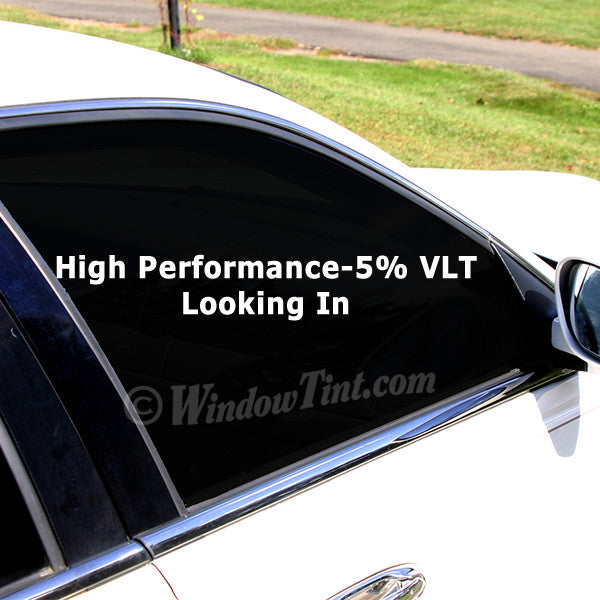
When choosing the right tint portion for a vehicle's home windows, one have to think about different variables that affect both aesthetics and capability. Color portions usually range from 5% to 70%, with lower portions supplying darker tones and higher percents enabling more light in. A darker color can enhance personal privacy and reduce glare, while a lighter color can maintain exposure and conform with legal restrictions.Furthermore, personal choice plays a significant function in this choice. Some individuals might choose the smooth look of darker colors, while others might prefer a more open, ventilated feel. Furthermore, the lorry's objective ought to be considered; for example, those using their cars for commercial purposes could go with lighter colors to keep a specialist look.Ultimately, the best color percent balances personal design, convenience, and adherence to regional policies, guaranteeing a rewarding tinting experience.
The Setup Process
An effective setup of home window tint calls for careful attention to detail and the right tools. The process normally begins with comprehensive cleansing of the windows to get rid of dust, particles, and dust, assuring correct adhesion of the movie. When the surfaces are prepared, the installer procedures and cuts the tint movie to fit each window accurately.Next, the movie is positioned on the glass, often making use of a solution to facilitate very easy adjustment and protect against air bubbles. Heat is in some cases used to the movie to adjust it to the window's contours, boosting its look and longevity. After validating a seamless fit, the installer thoroughly cuts any type of excess film along the edges.Finally, the installer look for flaws and validates all sides are protected. This precise strategy is vital not only for aesthetics however likewise for accomplishing the preferred efficiency advantages of window tinting, such as UV security and heat decrease.
Maintenance and Treatment for Tinted Windows
Proper maintenance and care are vital for protecting the honesty of tinted windows. Reliable cleaning strategies, the evasion of unsafe chemicals, and routine inspections for damage play essential roles in making certain long life. By following these guidelines, vehicle owners can keep the aesthetic and useful advantages of their home window tint.
Cleansing Methods for Color
Preserving the clarity and longevity of tinted windows requires particular cleaning techniques customized to the movie's delicate surface. It is necessary to use a soft microfiber cloth to prevent damaging the tint while cleaning. A gentle solution of water and a few drops of light dish soap can properly eliminate dust and gunk. It is recommended to use the cleaning service to the fabric, instead than straight onto the tinted surface area, to avoid moisture from leaking Find Out More into the edges of the film. Gentle, circular motions ought to be employed to clean the home windows extensively. Regular cleaning assists preserve presence and protects against build-up, guaranteeing that the color stays in prime condition over time. Adhering to these methods will extend the life of colored home windows.
Avoiding Harmful Chemicals
Although numerous family cleaning items work on various surface areas, they can present substantial dangers to tinted windows. Chemicals such as ammonia, bleach, and certain solvents can degrade the tint film, bring about staining and peeling. Individuals should select pH-balanced cleaners especially designed for tinted windows. Additionally, making use of soft microfiber fabrics will certainly aid prevent scratches and maintain the tint's integrity. Routine maintenance is essential; as a result, preventing harsh scrubbing or unpleasant products is vital. It is advisable to read item tags thoroughly to verify compatibility with home window colors. By picking the best cleansing solutions and tools, vehicle owners can preserve the look and capability of their colored home windows, guaranteeing a longer life-span and height performance.
Inspecting for Damages
Regular examinations of tinted home windows are essential for determining any type of indicators of damages that may compromise their performance and look. Proprietors ought to search for bubbling, peeling, or staining, as these issues can suggest poor installation or direct exposure to hazardous aspects. It is recommended to inspect the sides of the movie where peeling may begin and check for any type of scratches that might affect visibility. Additionally, ultraviolet (UV) rays can trigger the tint to weaken over time, so checking its performance in obstructing UV light is essential. If any type of damage is identified, timely action should be taken, which may consist of professional repair work or replacement. Preserving tinted home windows not only boosts looks however also assurances proceeded defense for both guests and the lorry interior.
Common Misconceptions About Window Tinting
What false impressions surround window tinting for vehicles? Numerous people think that all home window colors are illegal, however laws vary by state, permitting particular degrees of tinting. One more usual misconception is that darker colors obstruct even more heat; nonetheless, the effectiveness of home window films relies on their technology rather than darkness. Some people additionally believe that window tinting is entirely for visual appeals, ignoring its advantages, such as UV protection and glow reduction. Additionally, numerous assume that home window tinting will harm their lorry's glass, however skillfully used tints can really improve glass toughness. Ultimately, there is an idea that window colors obstruct visibility, yet premium movies are made to maintain clear sightlines while supplying personal privacy. Understanding these myths helps consumers make informed choices concerning window tinting, guaranteeing they delight in the full variety of advantages it supplies.
Frequently Asked Inquiries
How Lengthy Does Home Window Tinting Normally Last?
The long life of home window tinting varies based upon aspects such as setup high quality, movie kind, and ecological conditions. Generally, high-grade tint can last anywhere from 5 to 10 years before requiring substitute or reapplication.
Can I Eliminate Home Window Tint Myself?
Getting rid of home window color oneself is possible, though it might be difficult. Individuals need to utilize a warmth resource and adhesive cleaner to ease the process, but caution is suggested to prevent damaging the automobile's glass or inside.
What Tools Are Needed for DIY Window Tinting?
Will Window Tinting Damages My Automobile's Glass?
Home window tinting, when used properly, usually does not damage a cars and truck's glass. Incorrect installment or low-quality films may lead to peeling, bubbling, or scratching, possibly compromising the stability of the glass over time.
Can Tinted Windows Affect My Car's Resale Worth?
The influence of tinted home windows on a car's resale value can vary. While some buyers value the added personal privacy and UV security, others may watch it as a potential concern, potentially influencing resale favorably or adversely. When taking into consideration vehicle home window tinting, vehicle owners experience a variety of home window tint films, each made to fulfill particular demands and choices. When taking into consideration car home window tinting, it is vital to comprehend the legal regulations that regulate color darkness restrictions and windscreen color requirements. Commonly, front-side home windows have to allow a higher portion of light contrasted to rear home windows. Some states may permit just 30% VLT for front windows, while the rear home windows could be permitted to have especially darker tints. Some states allow darker tints on back home windows while prohibiting them on front windows, while more tips here others have more stringent overall limitations.